Arts & Culture
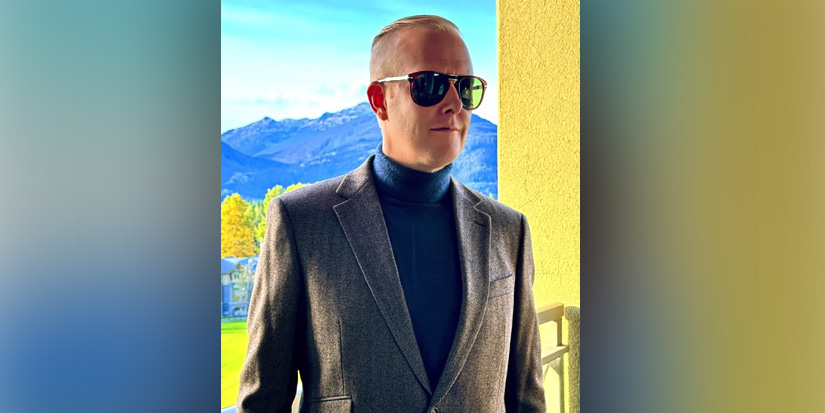
Photo courtesy DJ Scammell
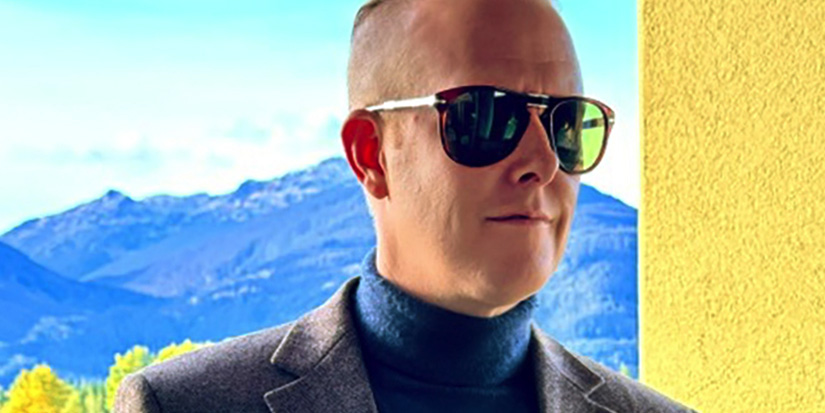
Photo courtesy DJ Scammell
History of the Turtleneck Sweater

Published 4:56 PDT, Fri October 30, 2026
Last Updated: 10:14 PST, Tue November 3, 2026


-
Intro
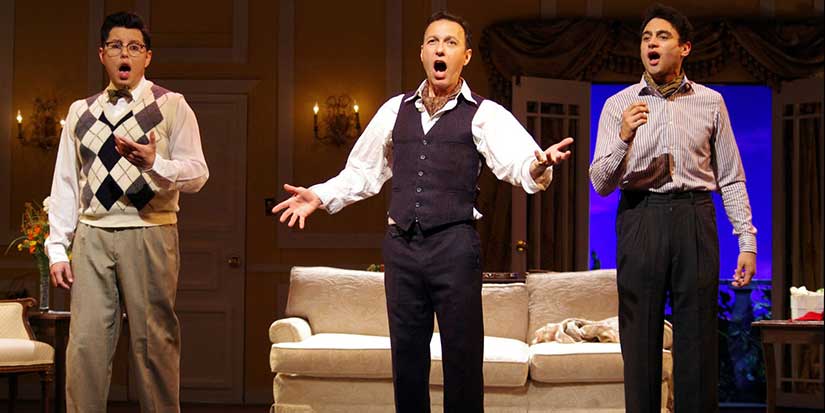
During the cooler winter months, a gentleman’s wardrobe must adapt, offering a variety of sweater types and styles designed to keep you warm without sacrificing your personal style. Among these options, one particular garment stands out as a true 1960s and 1970s style icon: the turtleneck sweater. Offering a streamlined silhouette, this versatile piece is ideal for crisp days while fitting perfectly beneath a suit jacket. Whether you are navigating a busy day at the office or transitioning to cocktail hour, the turtleneck delivers an unmatched blend of comfort and sartorial sophistication.
History
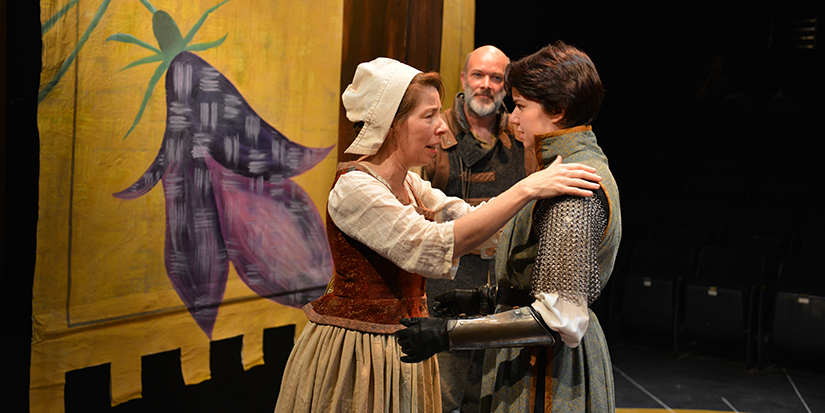
The origins of this unique design stretch all the way back to medieval times. Originally engineered for utility rather than aesthetics, the high neck was intended to protect knights from the agonizing chafing and discomfort caused by heavy chainmail and helmets. By the 19th century, this practical garment shifted from the battlefield to the docks, finding a permanent home among working-class individuals like fishermen, sailors, and factory workers. These men deeply valued the rugged warmth of the built-in, scarf-like protection around the neck. During the early 20th century, the turtleneck took on a cerebral, artistic identity. European artists and intellectuals adopted the look as a subtle, visual rebellion against the constrictive social conventions and rigid starched collars of the era. This counter-culture trend was propelled straight into the mainstream during the 1920s by legendary English playwright Noël Coward, who famously donned the turtleneck as a comfortable, unconventional alternative to formal evening wear.
Military necessity pulled the garment back into active service during World War II. By the 1940s, the turtleneck sweater served as a standard, practical issue for military personnel, forming an integral part of the winter uniforms for the Royal Canadian Navy, Royal Navy and U.S. Navy. Sailors and soldiers relied heavily on the heavy knitwear to endure freezing temperatures at sea. When servicemen returned to civilian life in the 1950s, the turtleneck retained its rugged edge but quickly re-emerged as a symbol of anti-establishment cool. It became the uniform of choice for the Beatnik generation and those who actively rejected the cookie-cutter, mainstream fashion of the decade. However, the absolute height of the turtleneck's popularity arrived in the 1960s and 1970s, driven by Hollywood’s emerging blueprint of masculine cool. At the height of the Cold War, cinema was dominated by the spy genre. While many credit James Bond with the look, the aesthetic was actually popularized first by a Bond spoof: the 1966 spy-comedy The Silencers, starring Dean Martin. As "The King of Cool," Martin effortlessly paired a sleek turtleneck with a tailored suit and no tie, instantly changing menswear expectations. Shortly after, Steve McQueen cemented the garment’s legendary status in the 1968 classic Bullitt, pairing a dark roll-neck with soft, structured tailoring for a look that was authoritative yet completely relaxed.
The official James Bond franchise eventually caught on, with the turtleneck making its 007 debut in You Only Live Twice (1967). From there, it became a recurring wardrobe staple for the character throughout the late 1960s and the entirety of the 1970s. By the 1970s, the turtleneck was ubiquitous. It had fully infiltrated mainstream menswear, appearing everywhere from corporate boardrooms to casual weekend lounges. Worn confidently under blazers and sport coats, it became the definitive, stylish alternative to the traditional shirt and tie. Like many trends, the sharp tailoring look perfected by Martin and McQueen in the late '60s eventually faded. By the 1980s, the sleek, fitted turtleneck was widely considered outdated. Instead, the garment transitioned to match the decade's preference for oversized, slouchy silhouettes, adopting chunkier knits and a much more casual, relaxed vibe.
Resurgence
The pendulum swung back in the late 1990s and early 2000s, as the mid-century minimalist aesthetic began its triumphant comeback. Apple creator Steve Jobs deserves a massive amount of credit for this modern revival. By making a custom Issey Miyake black turtleneck his daily signature uniform, Jobs permanently associated the garment with intellectualism, digital innovation, and an anti-establishment yet highly business-savvy ethos. His iconic uniform—consisting of the black turtleneck paired simply with relaxed jeans—flooded the pages of global business magazines and style columns alike. Simultaneously, cinema helped remind the world of the garment's action-hero roots. Both Pierce Brosnan and Daniel Craig brought the tactical, sleek turtleneck back into the James Bond franchise, reminding modern audiences just how powerful and athletic the silhouette could look.
In my personal opinion, the turtleneck sweater has transcended temporary trends to become a timeless, permanent classic. Its extreme versatility allows a man—or a woman—to effortlessly craft completely different aesthetics, moving seamlessly from formal dressy attire to relaxed, casual weekend wear. Today's menswear landscape embraces a vast range of turtleneck styles. You can opt for ultra-thin, fine-gauge cotton and merino wool versions that are perfect for lightweight layering, or lean into heavy, chunky cable-knits for a nod to the garment's maritime past. But regardless of the specific style or fabric you choose, one thing remains absolutely certain: the turtleneck is an undeniable wardrobe essential for the modern gentleman.










































.jpg)


.jpg)

























































2 Hours of free financial consulting
Jai Xin Planning Ltd.
C$120.00 C$0.00

Use any of our home staging service and get a second month rental for free!
MiiX Interiors
C$500.00 C$0.00

Get 10% off any order
Phantom Screens Lower Mainland
C$200.00 C$180.00